

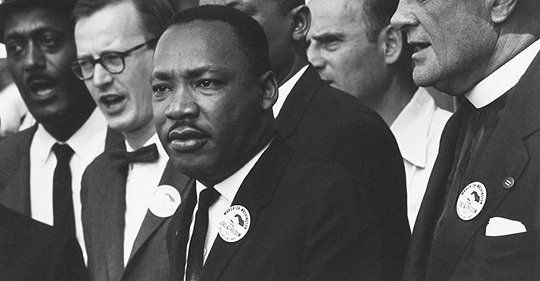
I read this article a few weeks ago and thought that it provided an interesting background to Black History Month. I also appreciated the exposition of the power of music to teach about the past and to help create a more just and inclusive world. It’s a fairly short article but it gave me a jumping off point to look for more information.
I have included a few excerpts that I found interesting. Read the entire article here.
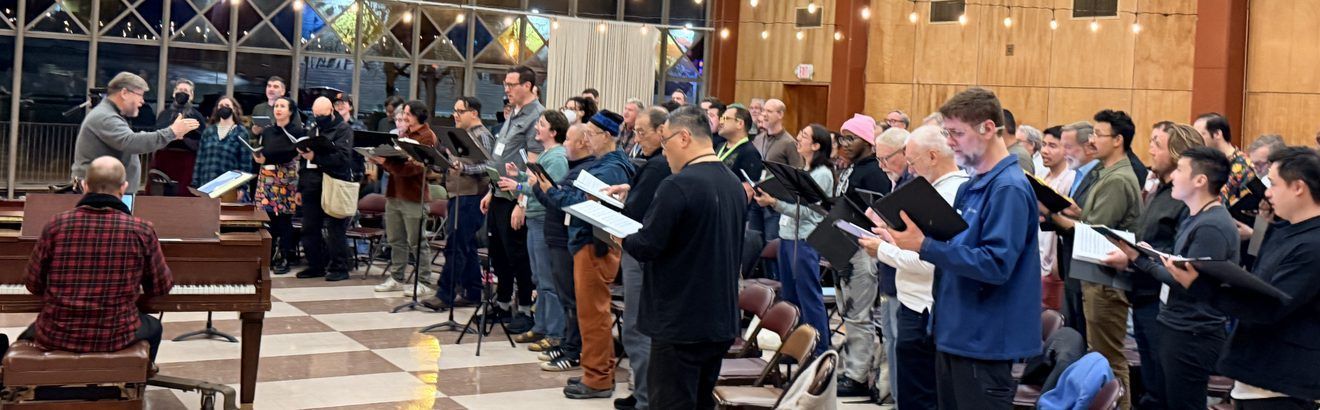
Over the years, the Oakland Gay Men’s Chorus has sung a number of the songs referenced in the article. There has been a little discussion of the background of these songs and this article sheds more light on their origins and possible meaning. I believe that when we know more about the songs we sing, it can bring a greater depth to the emotional connection and enhance our performance.
My interest is also on a more personal note; my great grandfather was an ex-enslaved person from Virginia. I knew a part of his story, but I had to do a lot of digging to get to know more about him and his family. His daughter, my great aunt Felicia, was one of the first two African American women to graduate from Willmantic College in Connecticut in 1906. She received her degree in teaching and taught at a school in her home county. After about a year she was forced out of her position by white people who didn’t want a black person teaching their children. There was quite a controversy at the time with many people on both sides. Ultimately, she had to leave because of threats of violence.
~article written by Mel Terry
Black History Month: Using Music to Teach About the Past
by Mary Rogelstad
The idea for Black History Month was developed during a difficult time for African Americans in the United States. In 1926, segregation and racial violence against the black community was widespread. Amid this struggle, a man named Carter Woodson, now known as the Father of Black History, wanted to find a way to celebrate African American achievements.
With his help, the second week in February was set aside for this purpose. It was designed to coincide with the birthdays of Abraham Lincoln and abolitionist Frederick Douglass.
Decades later in 1976, the celebration was extended to a month, and themes were created each year. In 2020 the focus is on voting rights for African Americans – marking the anniversaries of the passing of the 15th and 19th amendments.
Black History Month provides many cocurricular opportunities to use music to teach students about the struggle for freedom and civil rights and the important role prominent African Americans have played in history.
From “Ragtime” Make Them Hear You
is an example of a composition that speaks to audiences in different ways over time. In the show, the song is performed by an African American character who wants the stories about his people’s struggle for justice to be shared with future generations.
“So many groups have seen themselves in that song,” composer Stephen Flaherty said. “It’s about believing in the power of your voice and the need to speak up.”
As the title says, “Make Them Hear You.”
Read the entire article here.
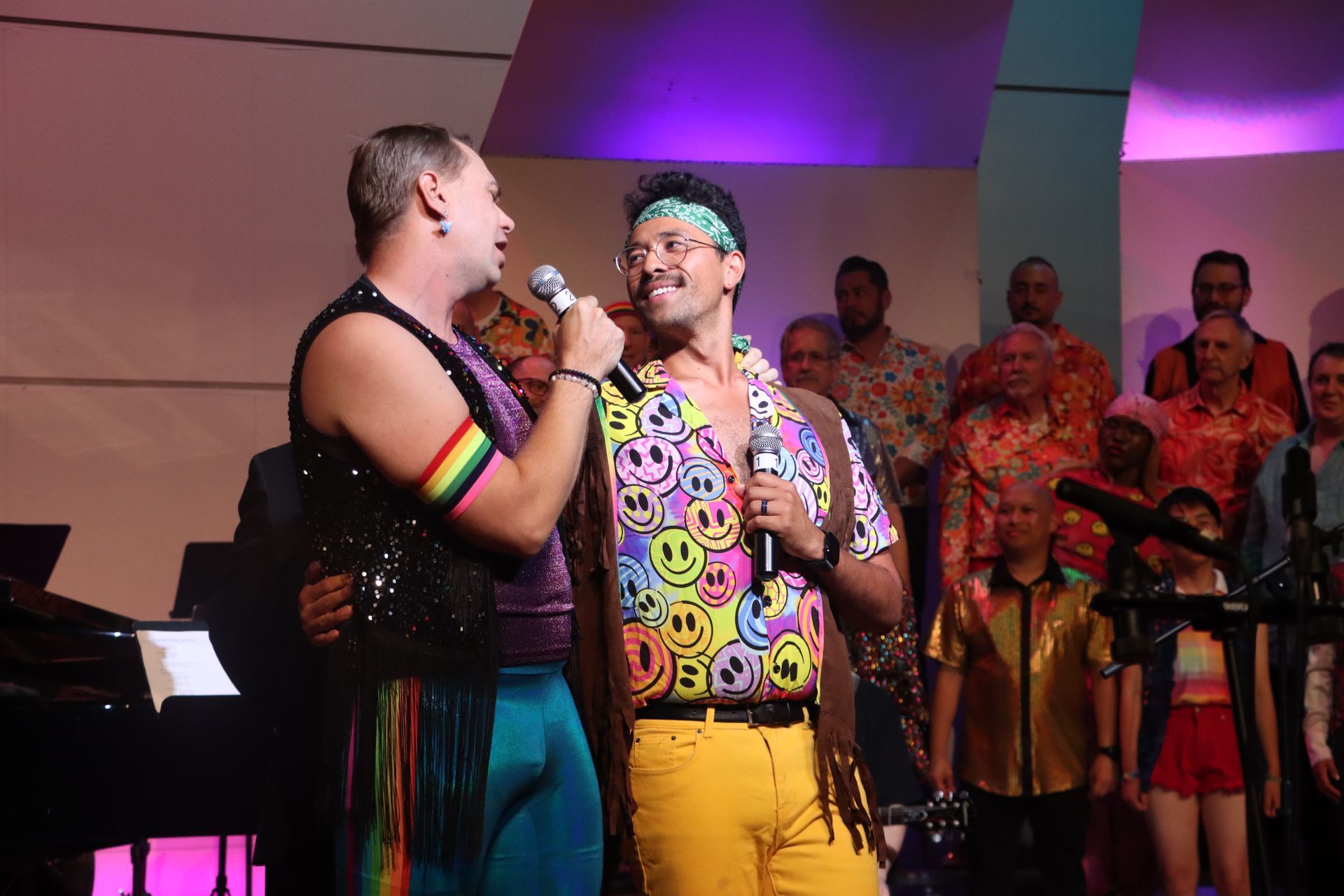
A Concert Recap of our Fabulous Summer 2026 Show Music by the Bay By Gabriel Holman
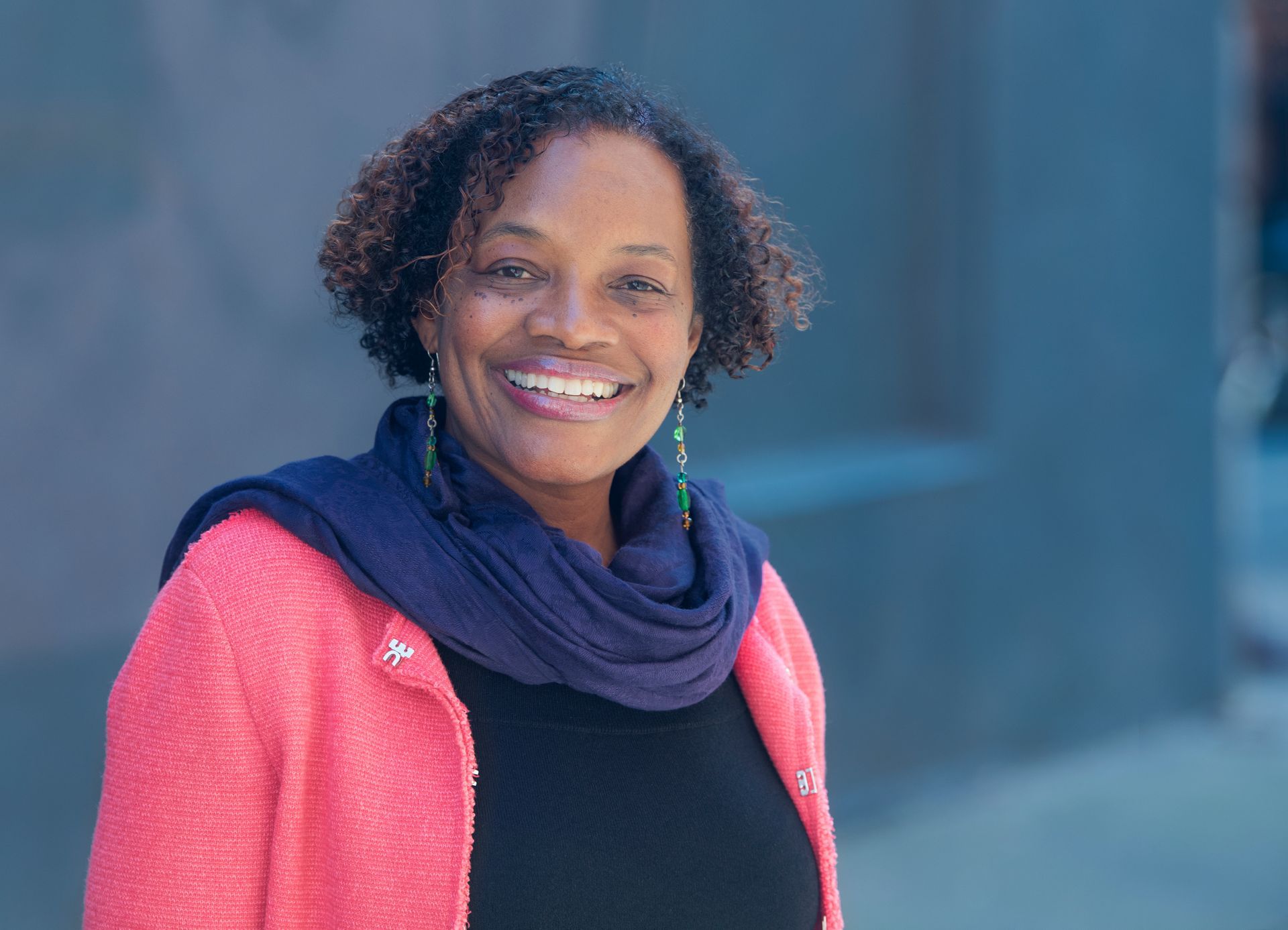
Voices from our chorus in celebration of Juneteenth, An Interview with Tenor 1 singer Susan Brown By June Kamerling and Ryan Justus
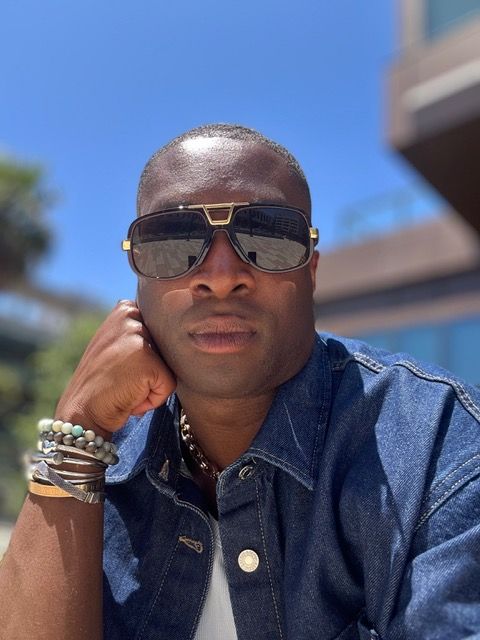
Voices from our Chorus Andre Sean Gary-Mack on Feeling at Home in Harmony By June Kamerling
Holding the Light, Together Finding strength, joy, and connection as we prepare for spring By Ryan Justus, Baritone